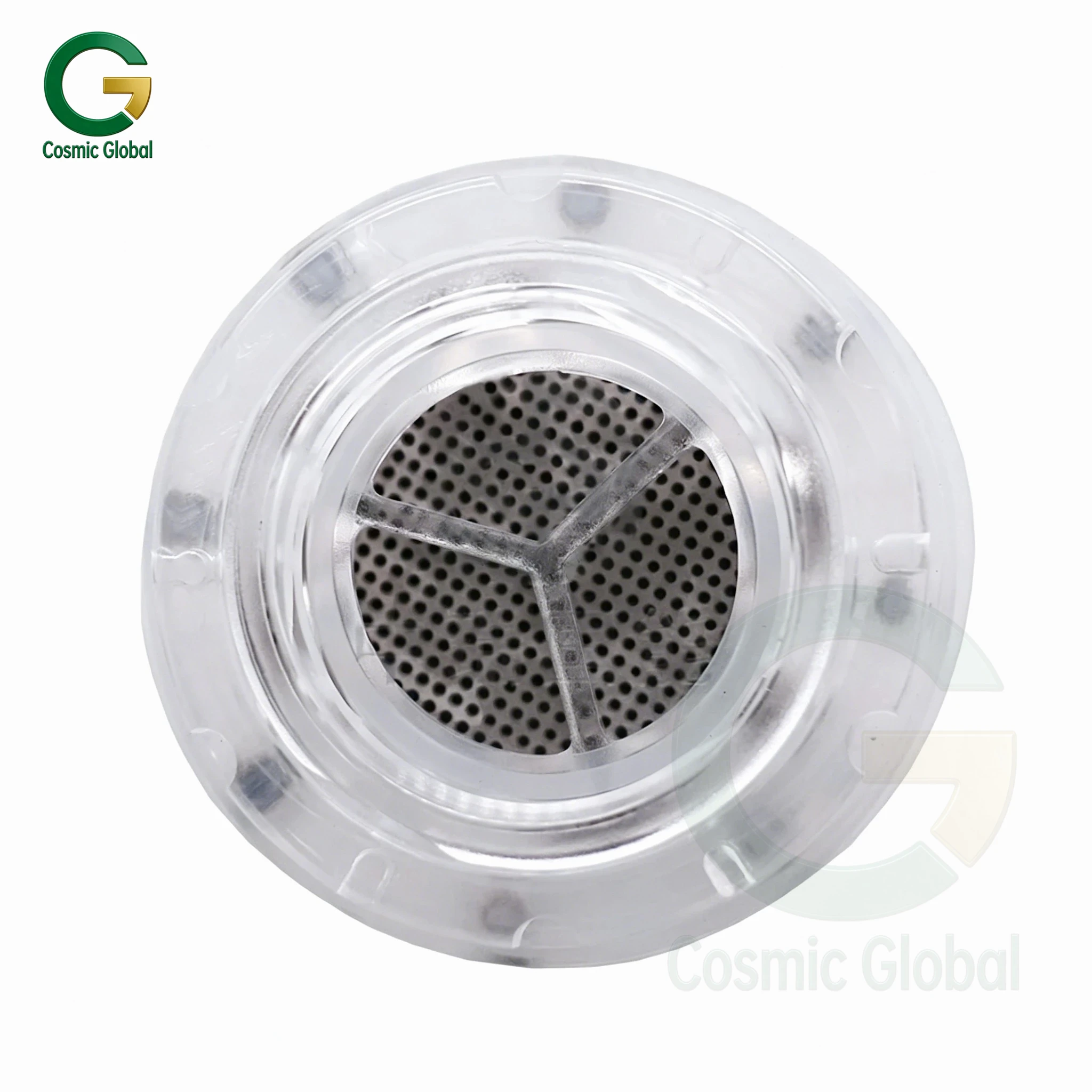
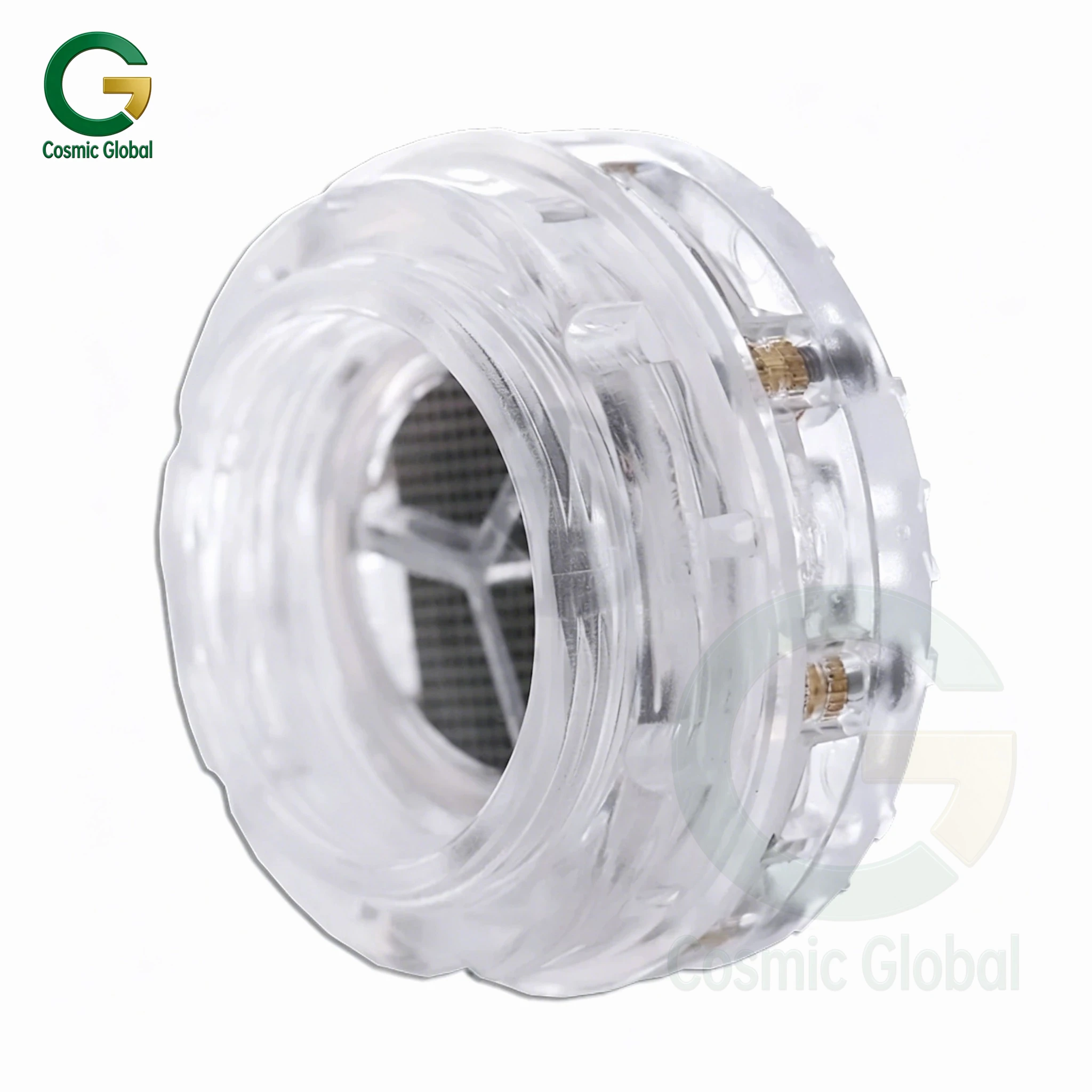
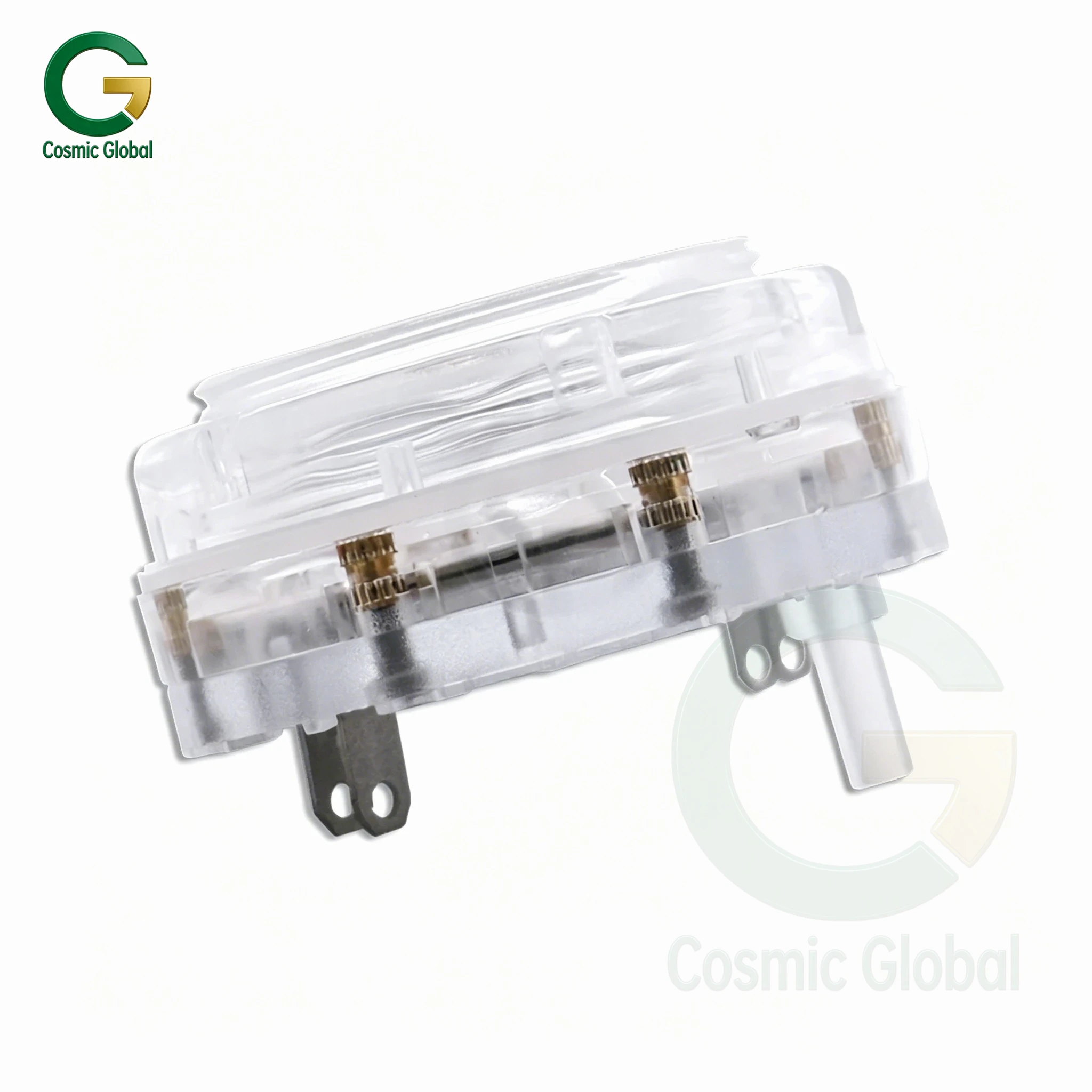
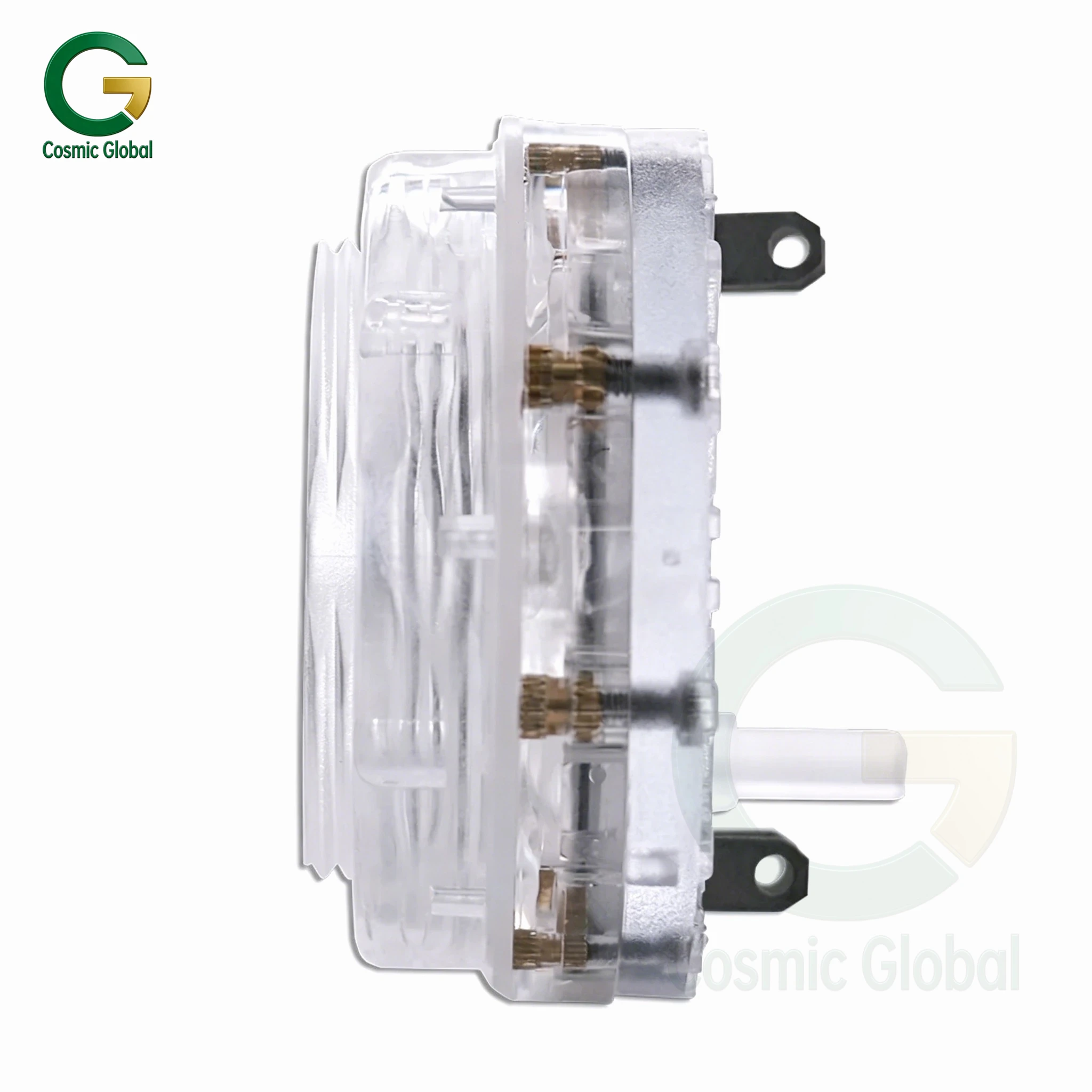
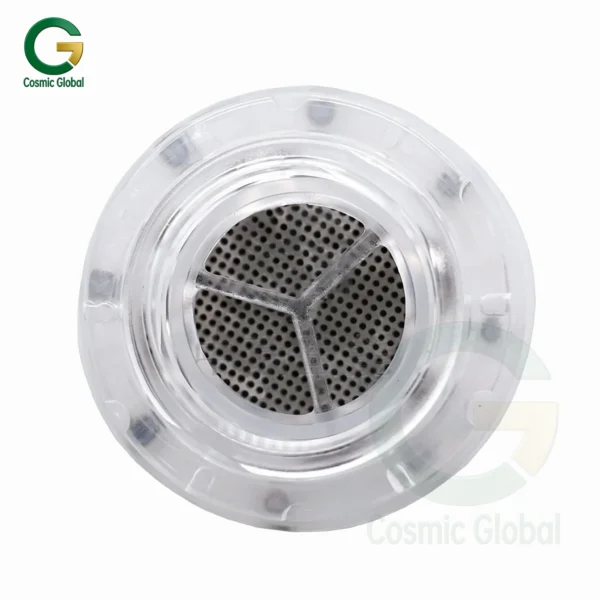
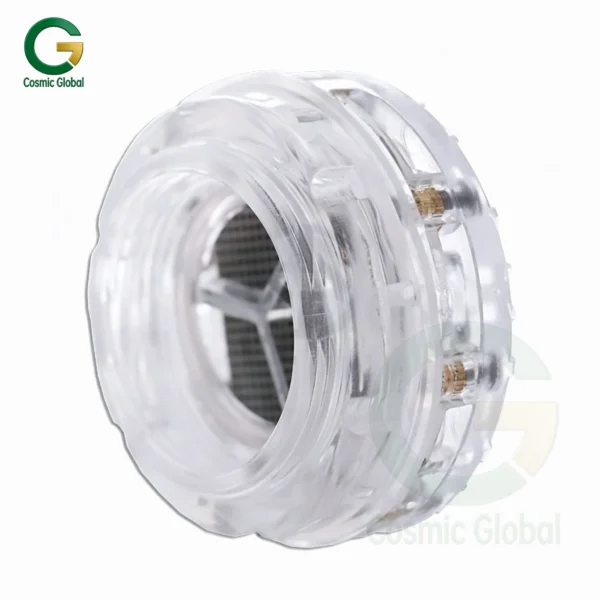
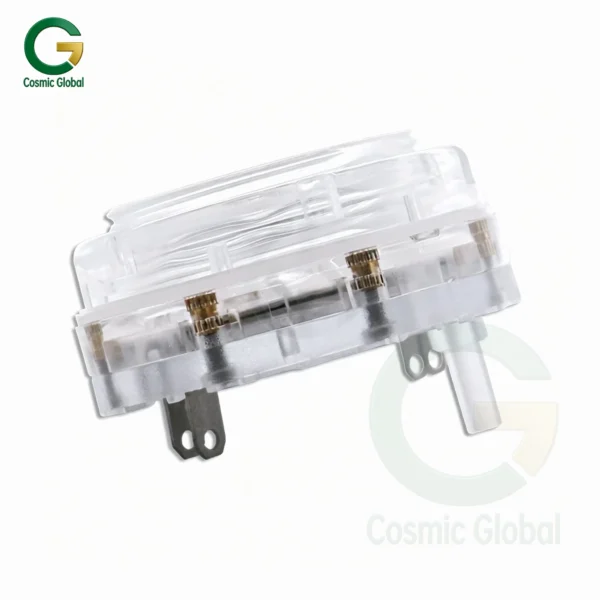
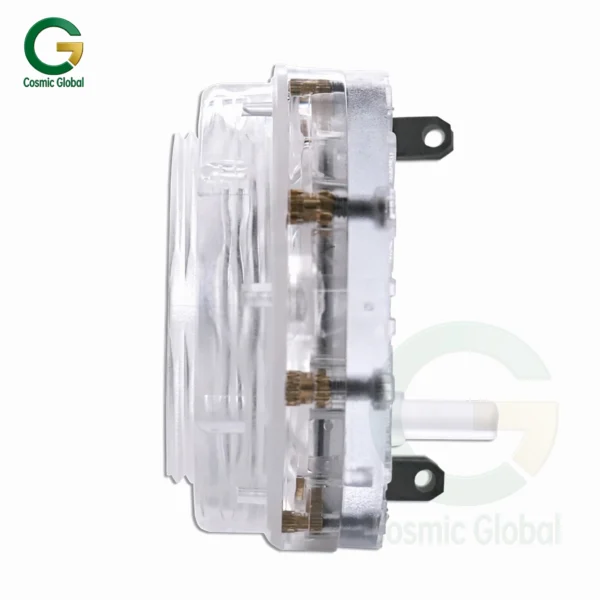
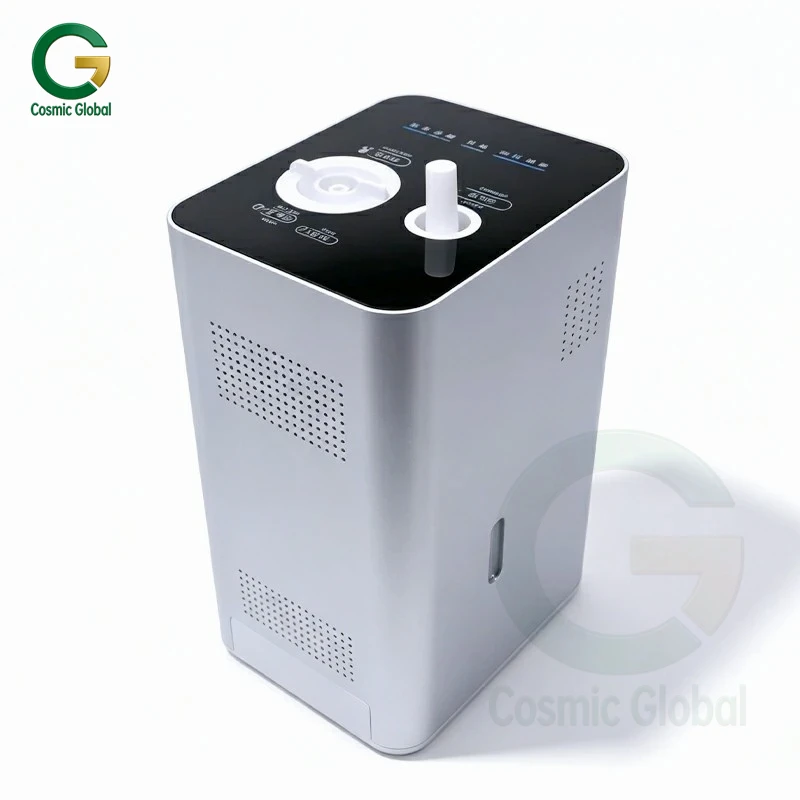
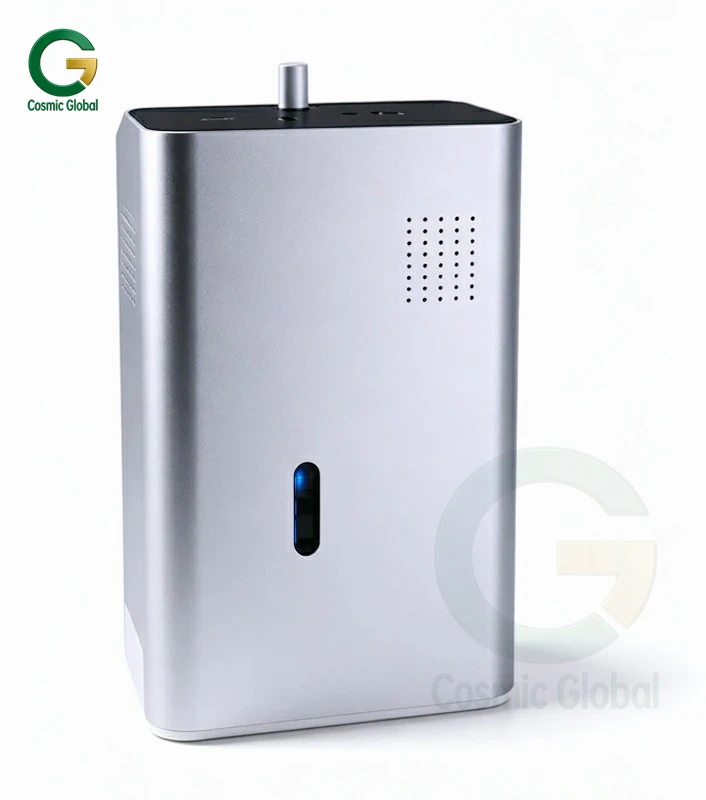
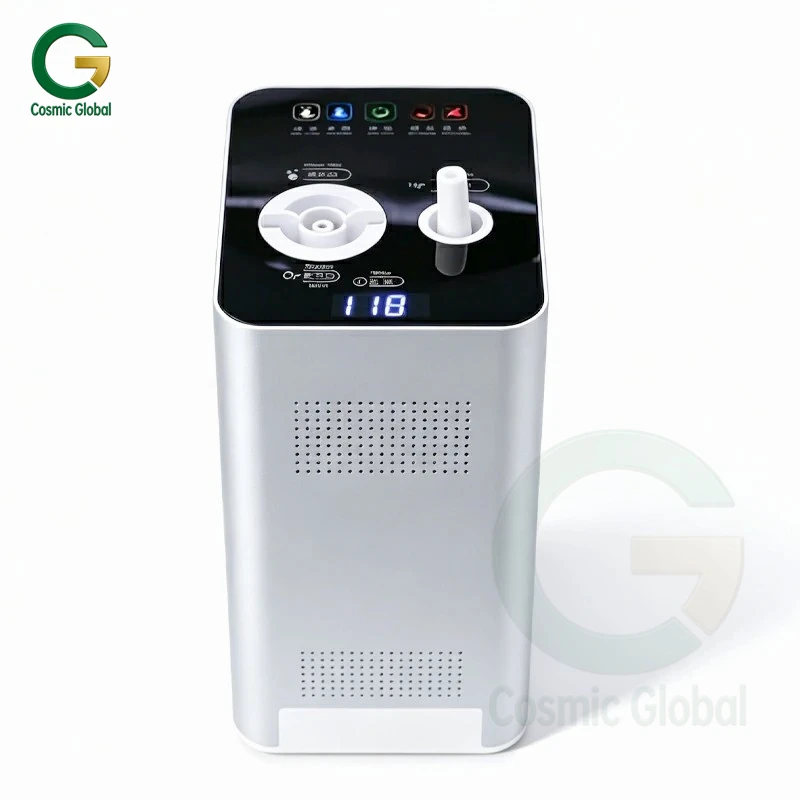
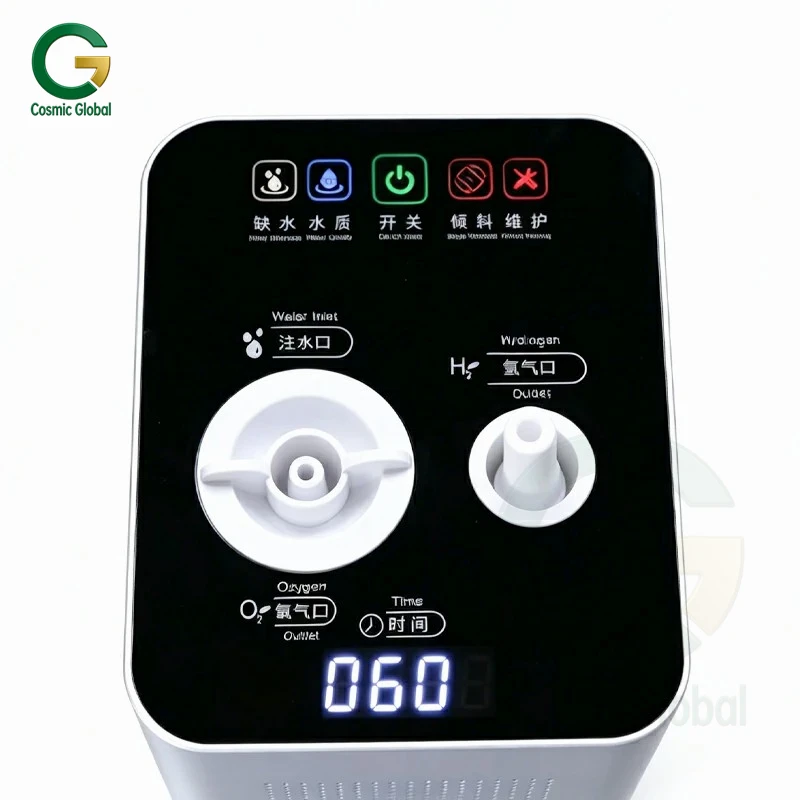
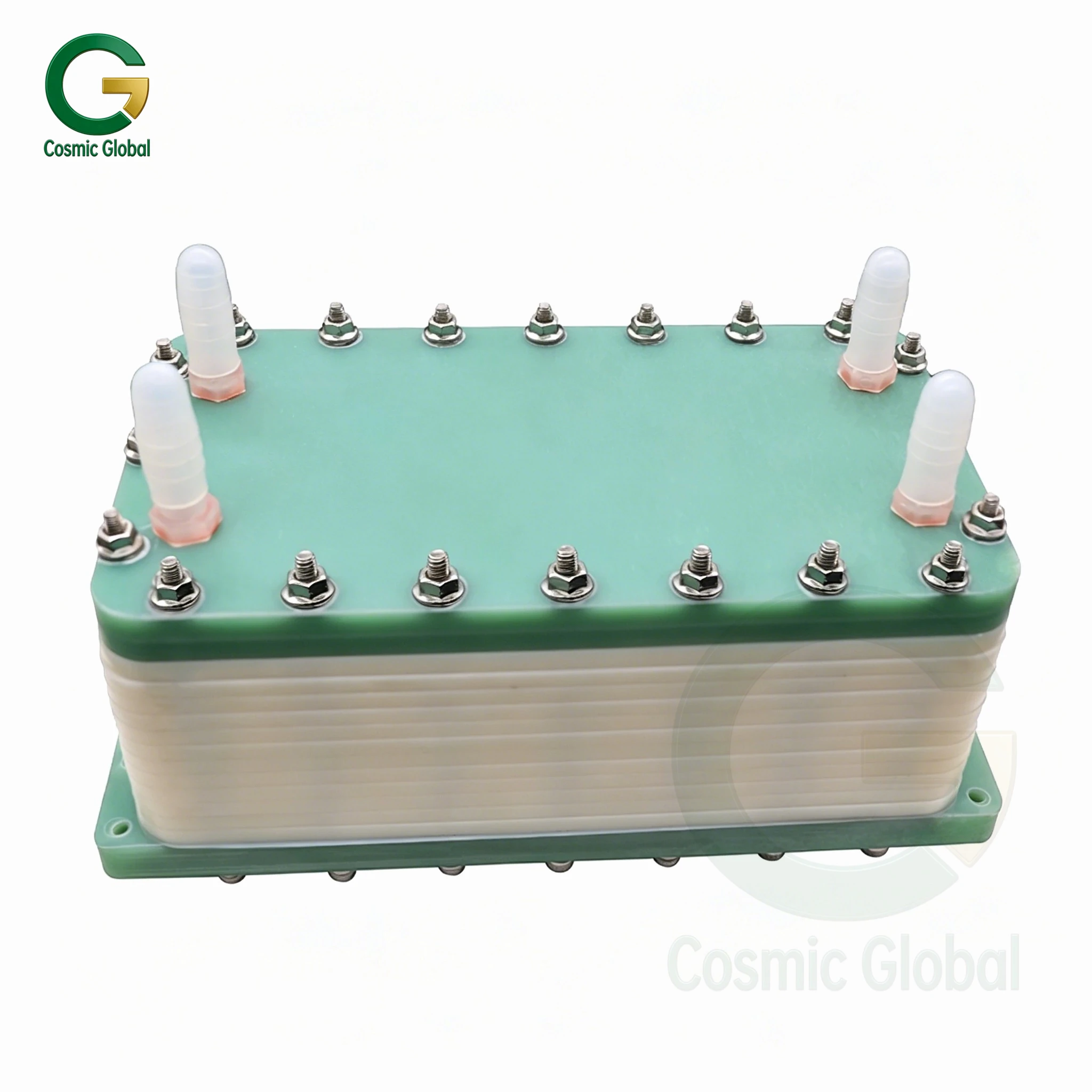
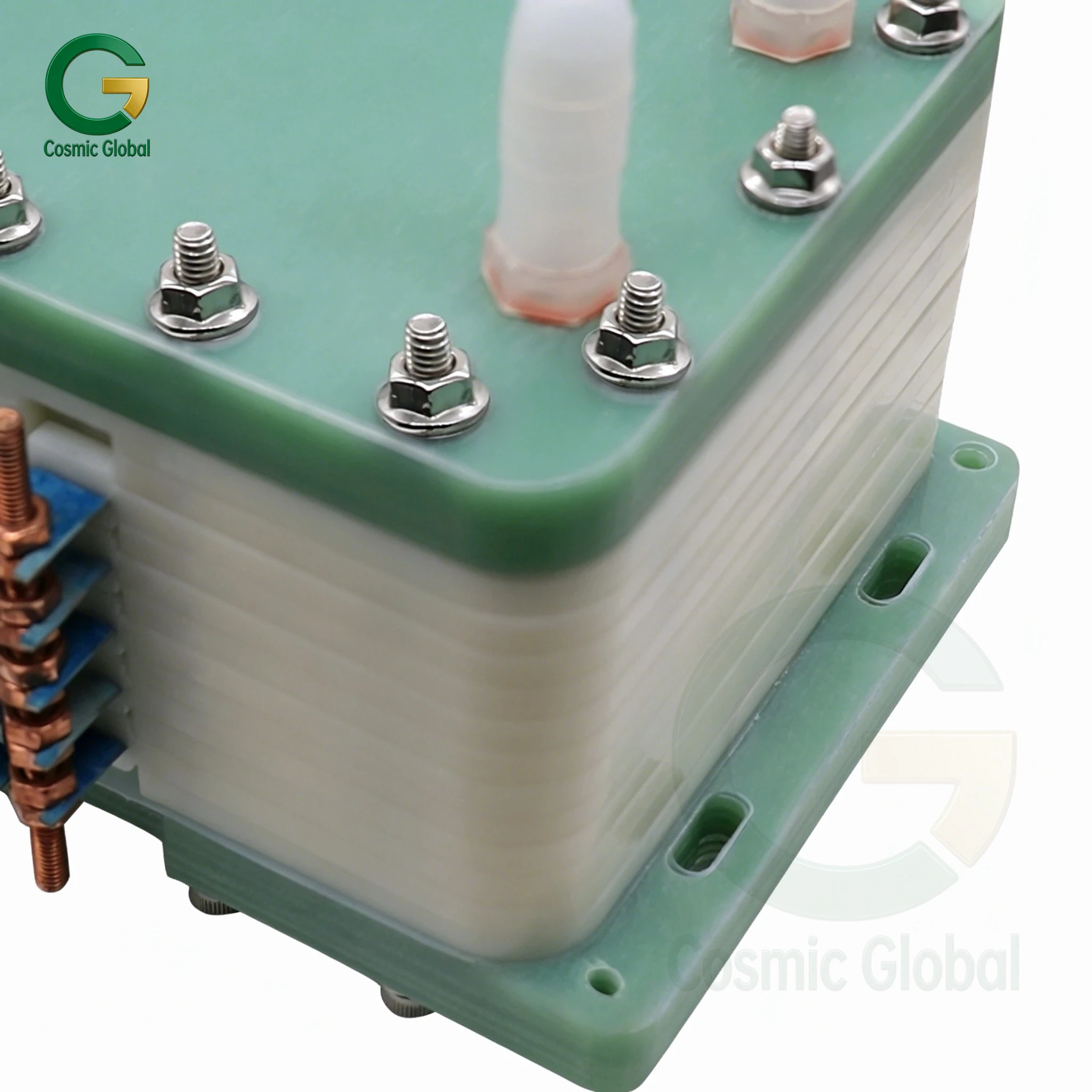
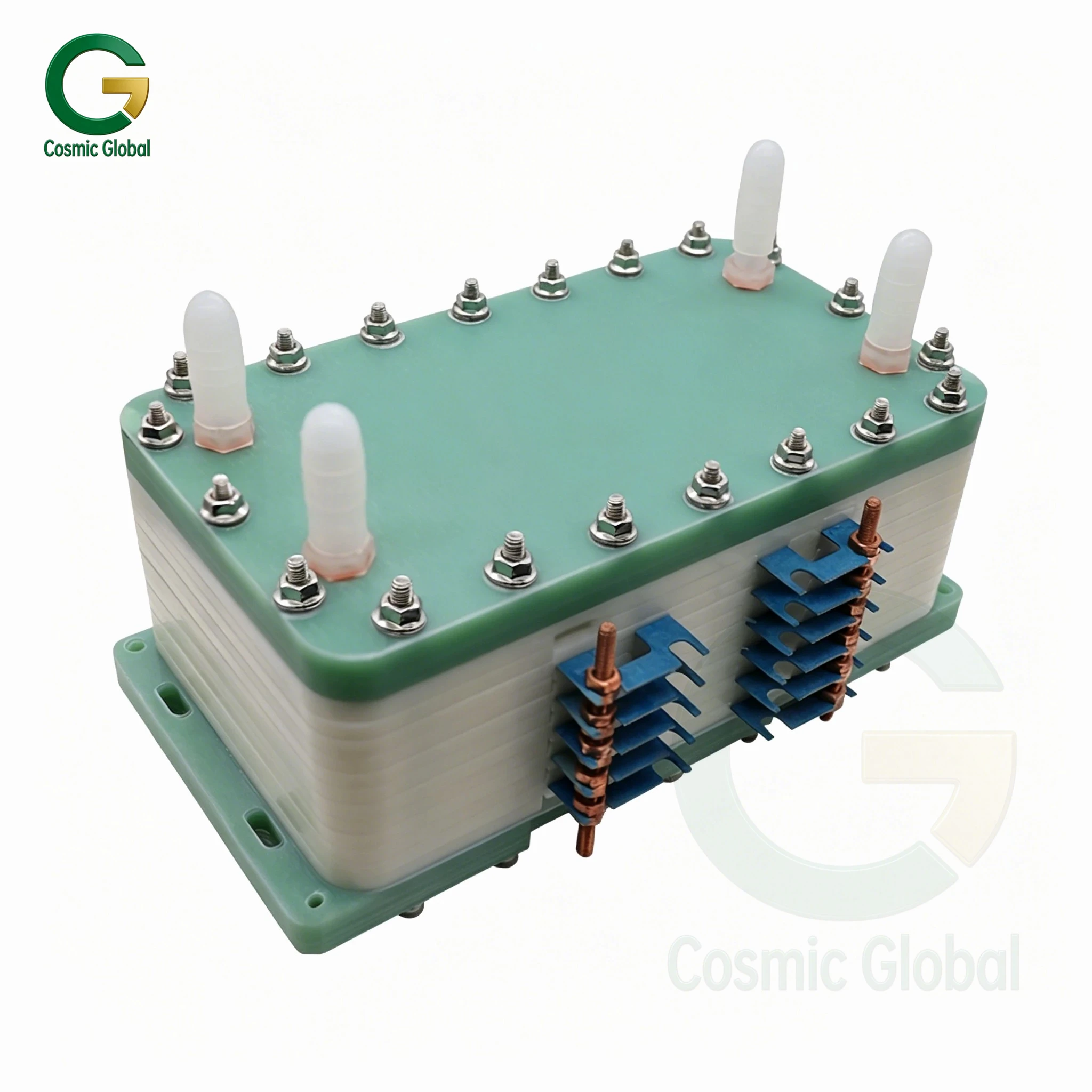
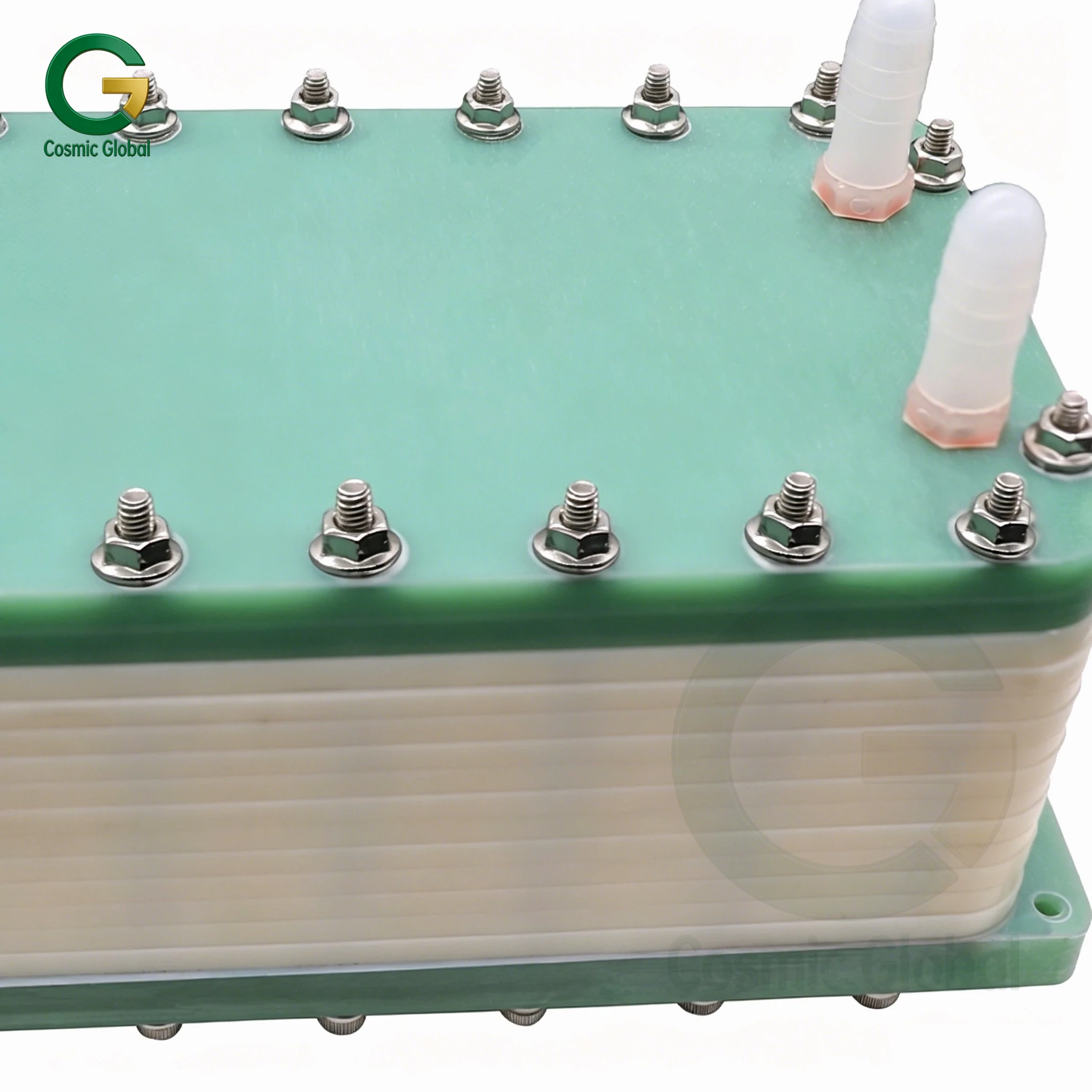
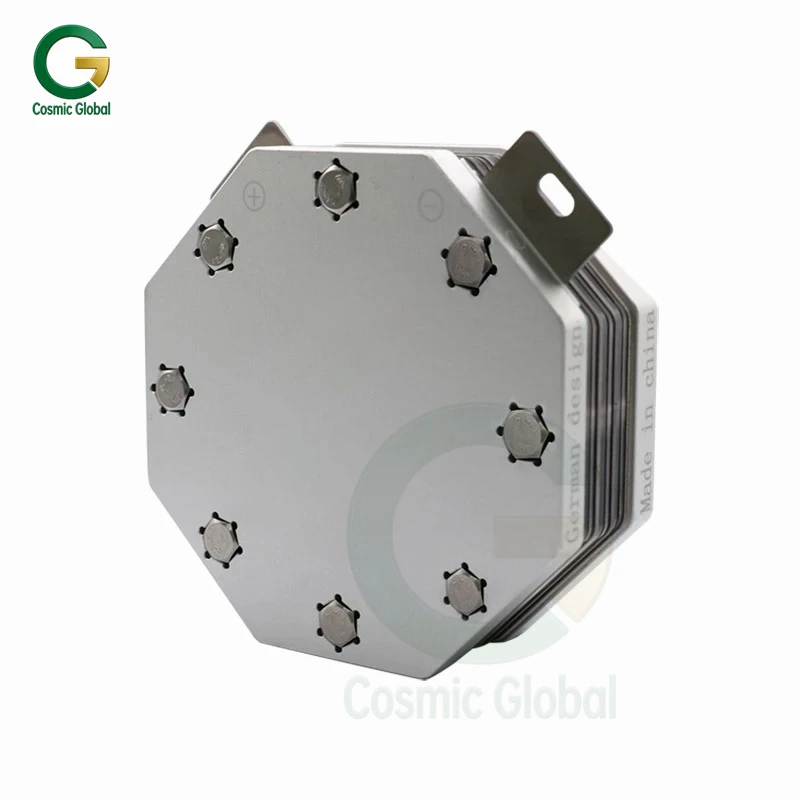
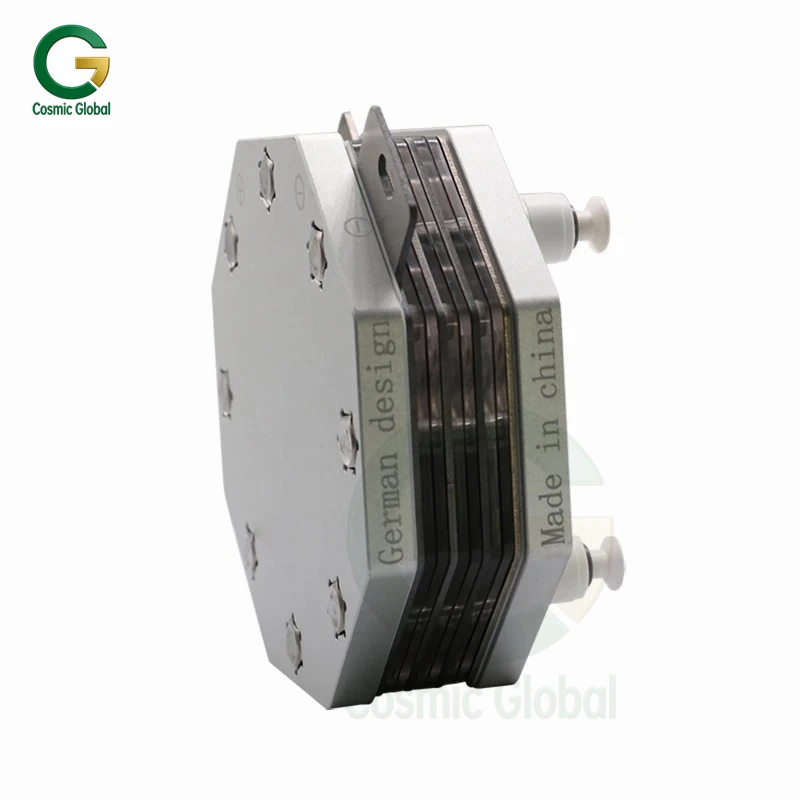
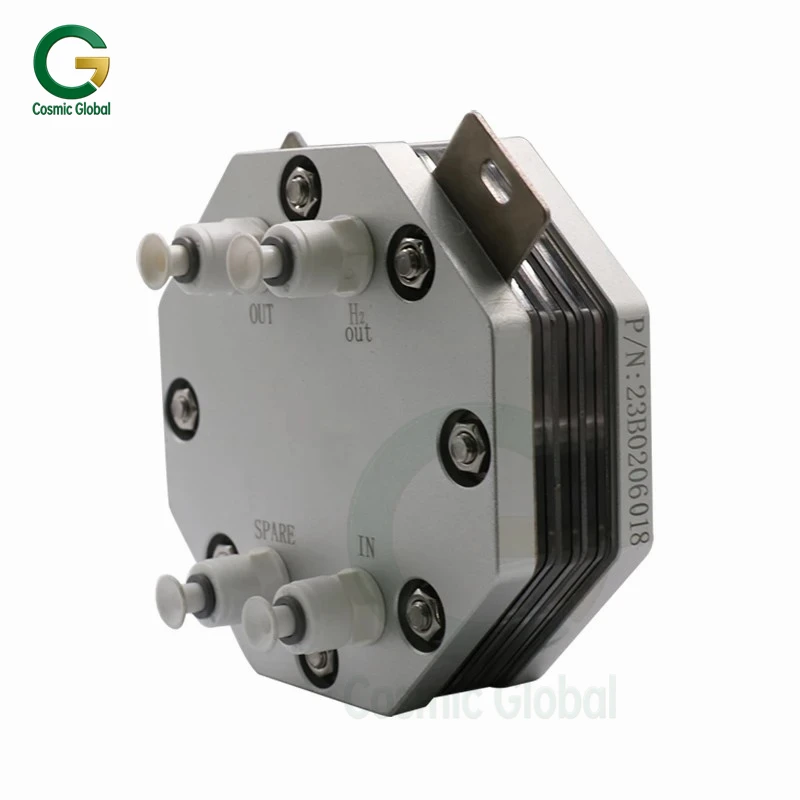
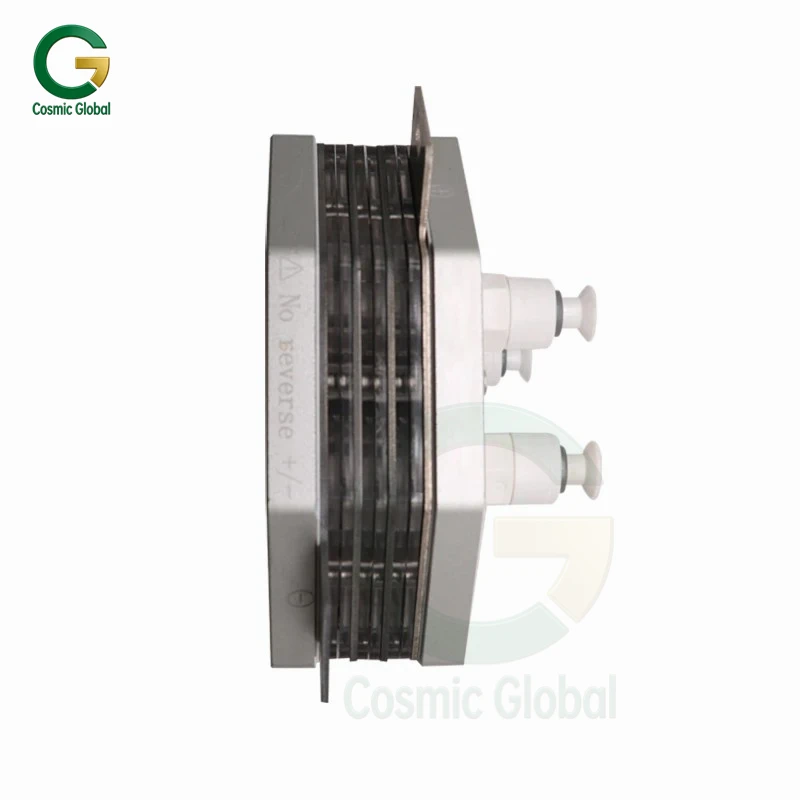
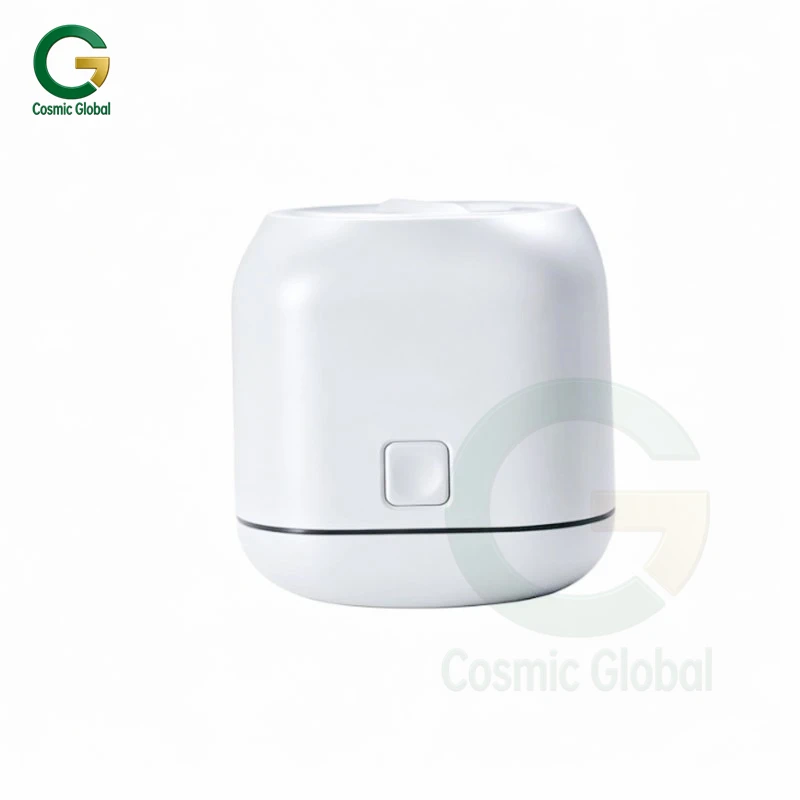
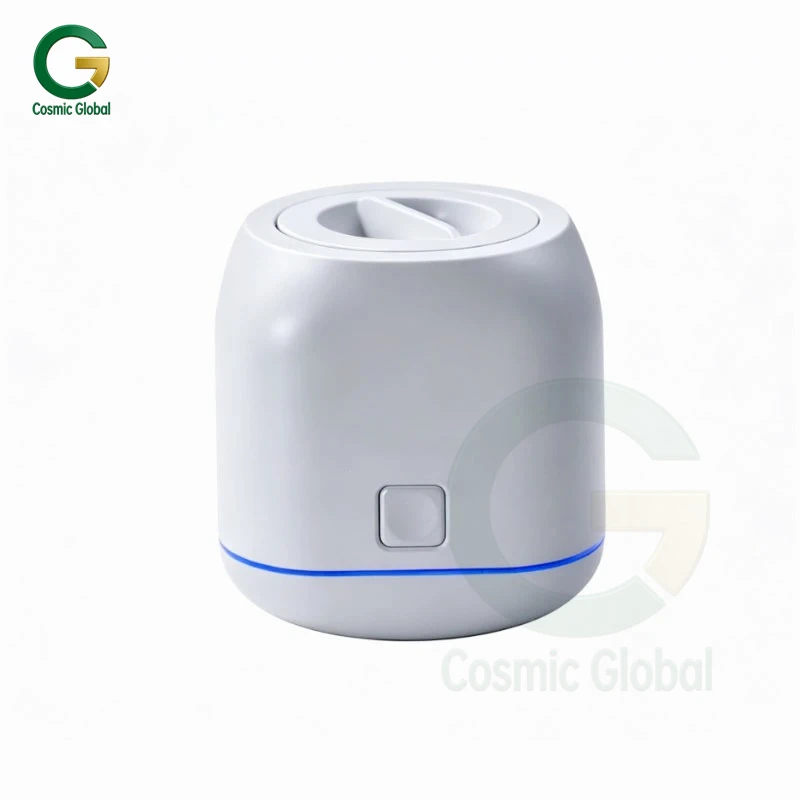
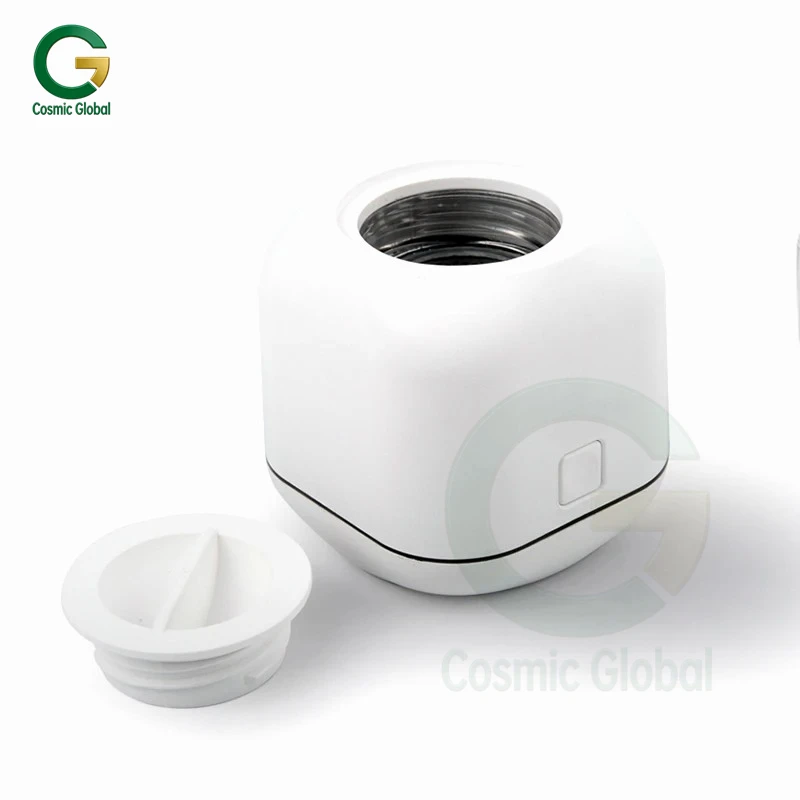
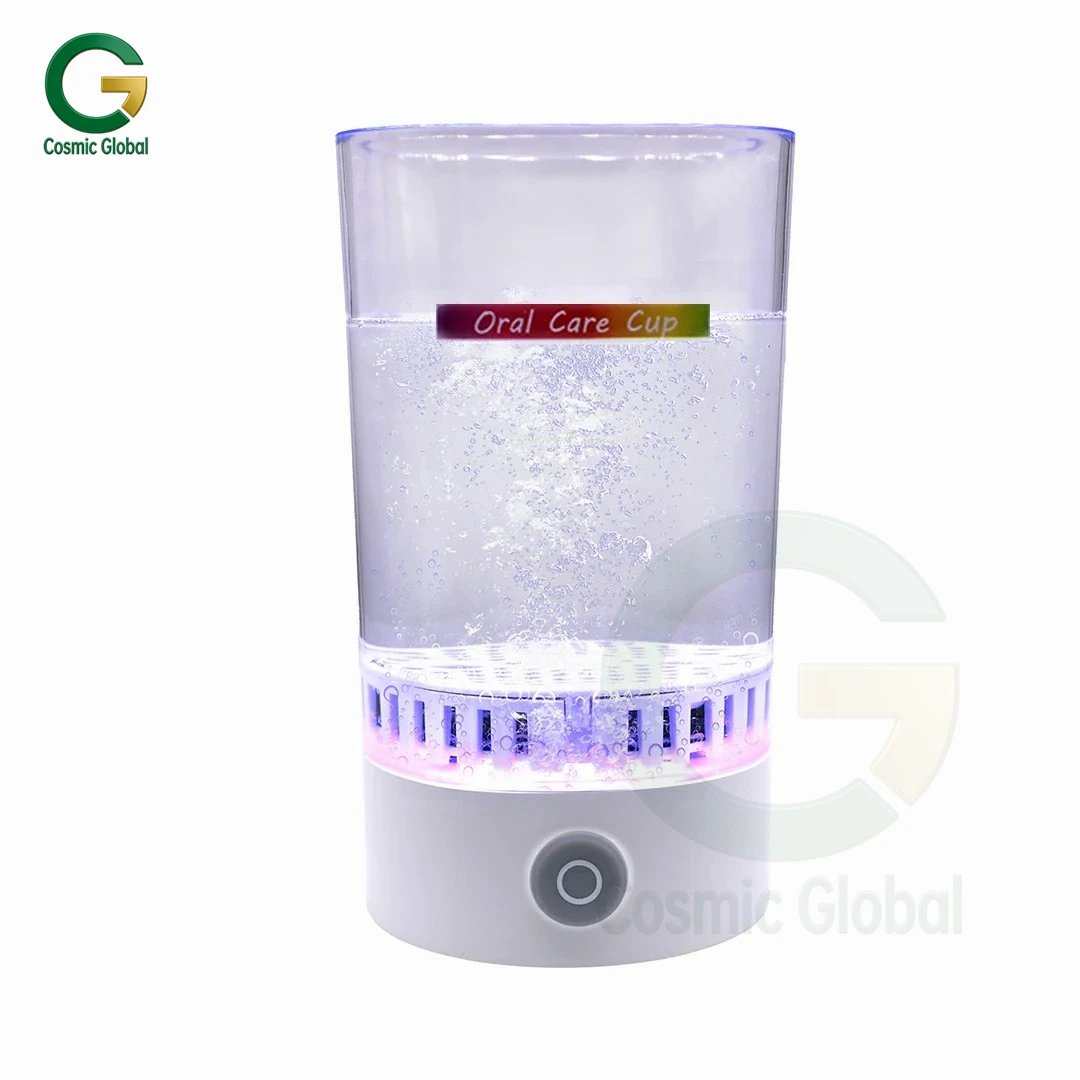
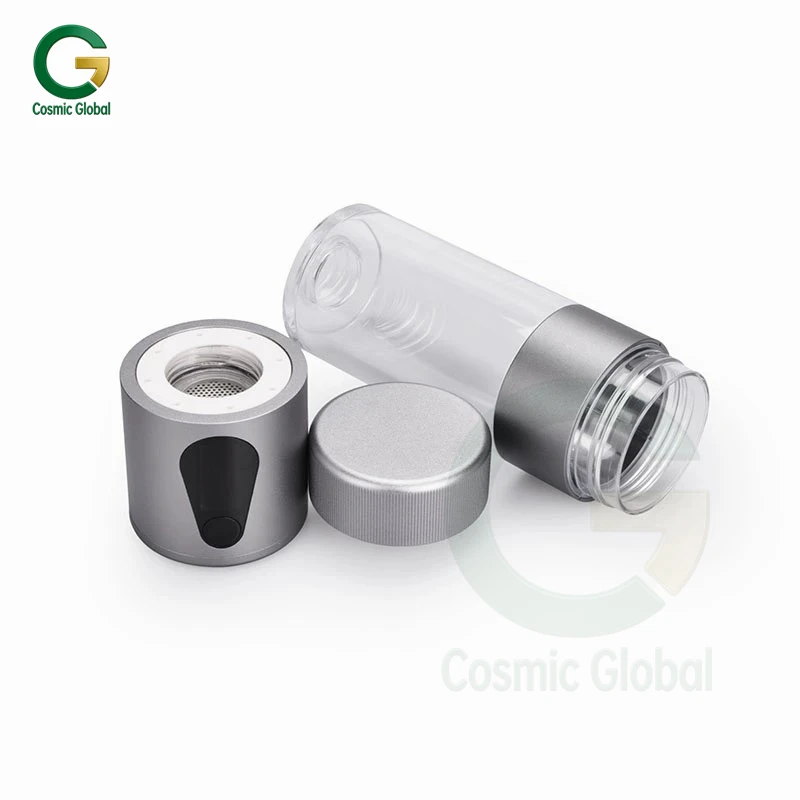
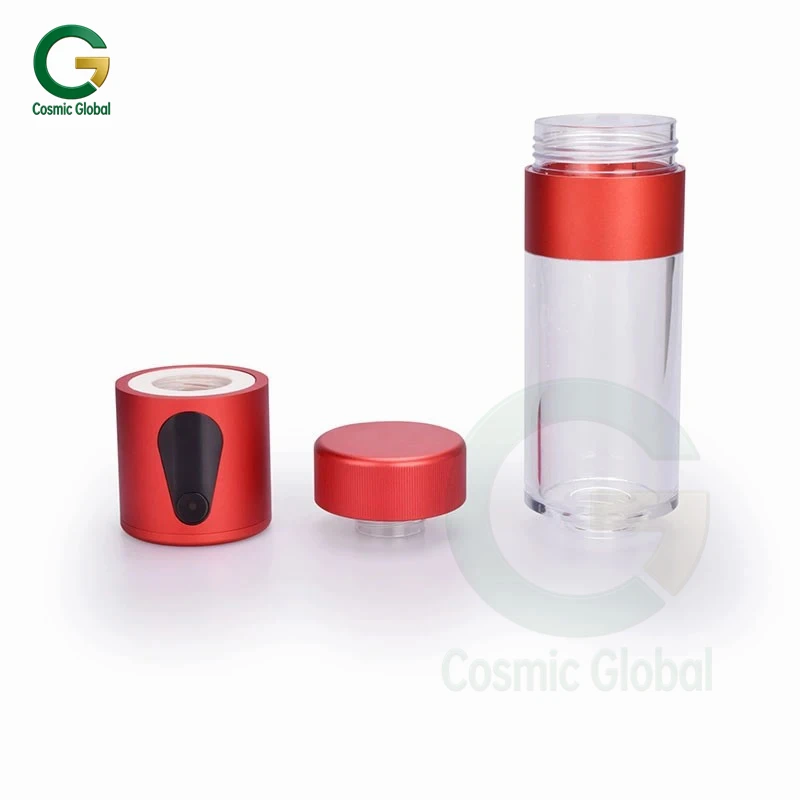
● The tank is made of transparent Tritan, certified by the FDA.
● It is a designated material for infant and toddler products in Europe and America, with a maximum temperature resistance of 80 degrees Celsius.
● Pure cathode and cathode separation; the cathode in contact with drinking water is a pure titanium electrode with no platinum coating, preventing heavy metal precipitation and ensuring safety and reliability.
● No water is discharged during electrolysis, only a small amount of waste gas.
● Low-power technology enables low voltage and high current operation (<3W).
● Pressure-bearing design allows normal operation under pressure ≤1.0MPa without leakage.
● Hydrogen concentration can be customized according to customer needs, up to 7000PPb.
● Utilizes a special proton exchange membrane treatment process; the hydrogen bubbles are small and dissolve quickly in water.
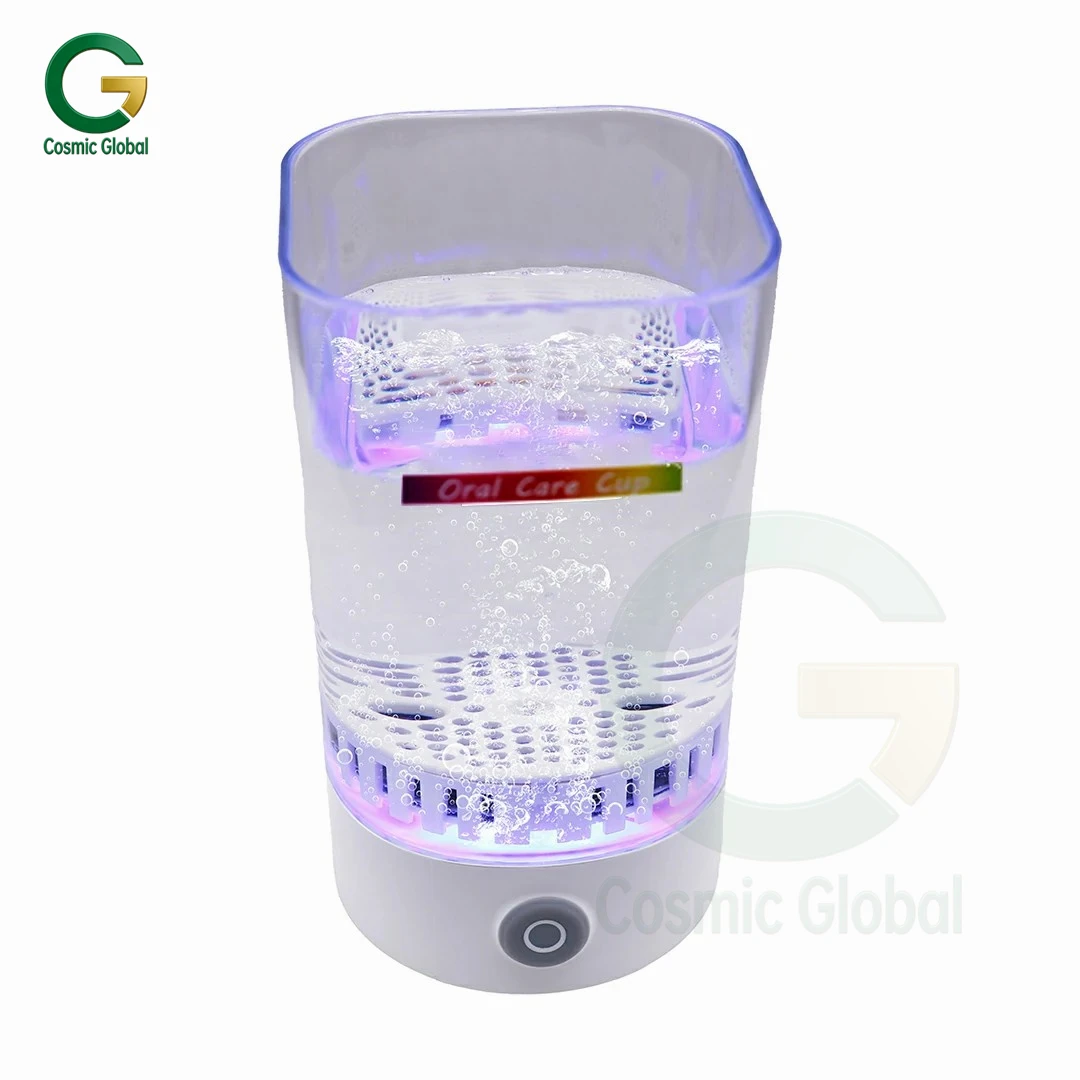
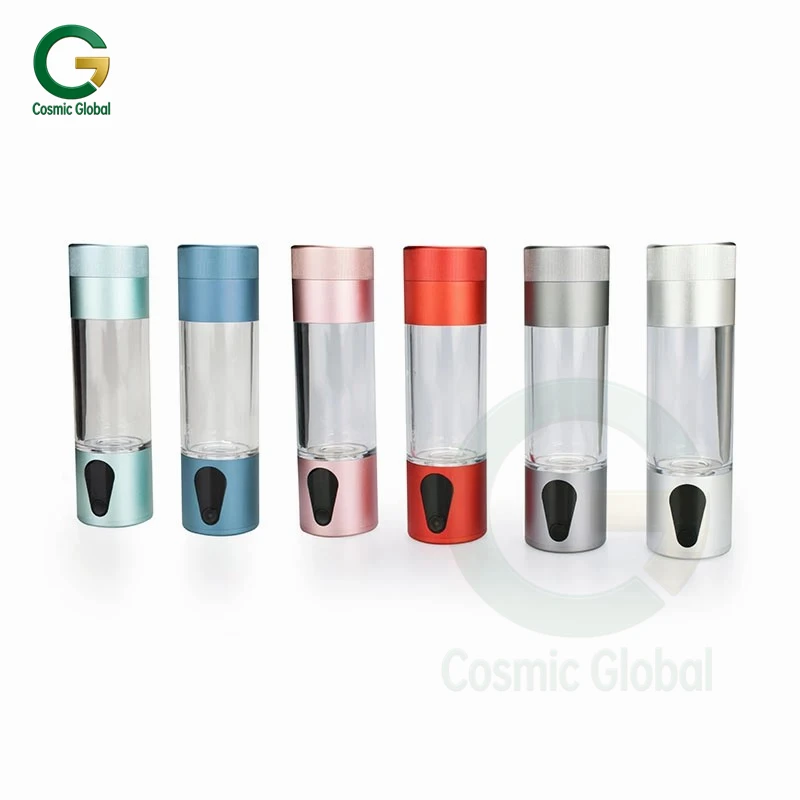
● Suitable for use with various hydrogen products such as hydrogen-rich water cups and kettles.
● Reasonable structural design, stable performance, and extremely convenient assembly and maintenance.
Harmless and safe materials! Introduction to the core components of the SS33 hydrogen generator electrolysis unit
Cathode Plate:
Material: Pure Titanium TA1 (Chemical Analysis Report of Finished Product from Metrology and Testing Center)
Characteristics: The cathode is made of pure titanium, without a catalytic coating, and will not produce ozone or other harmful substances.
Proton Exchange Membrane (Suitable for Atmospheric Pressure Electrolyzers)
Material: Nafionl17 proton exchange membrane, monomeric fluorine material, fiber-free
Characteristics: Good proton conductivity, certain mechanical strength, good electrochemical stability, low starting voltage, non-toxic, etc., smaller proton and hydrogen volume, and rapid activation after the exchange membrane dries.
Platinum-plated Proton Exchange Membrane (Suitable for Pressure Electrolyzers)
Material: Nafionl17 proton exchange membrane + platinum plating
Characteristics: Low resistance, low electrolysis voltage, good catalytic stability, no heavy metal precipitation, etc.
Anode Plate
Material: Pure Titanium TA1 (Chemical Analysis Report of Finished Product from Metrology and Testing Center) Pure coating 99.99+% (certificate of spectrographic (Analysis), compliant with China, South Korea, and EU RoHS directives, stable performance, and long lifespan.
Features: Only the anode has a platinum catalytic coating, achieving true hydrogen-oxygen separation with a hydrogen purity of 99.999%.